- Rain damage - I will bring out umbrellas and a tarpaulin to protect expensive camera equipment from rain damage.
- Road awareness - I will make observations before crossing roads as some of the clips are on roads.
- Robbery - The camera equipment is expensive and therefore a target for thieves, to counter this I will carry a gun.. I joke, I will hide it when its not in use.
- Slipping up - If the ground is wet I could slip up and get injured. I will wear grippy shoes and be careful with my balance to counter this.
Monday, 24 April 2017
Risk assessment
Before I start filming my product, It is important to do a risk assessment to highlight any potential risks to my health. Below is a list of risks and how I will try to combat them.

Saturday, 22 April 2017
Sound workshop (Tom Joyce)
In our media studies lesson on Tuesday the 14th of January, Tom Joyce gave a workshop on sound editing and capture. He emphasized the importance of sound in creating the right atmosphere for the accompanying picture. Having been through the same course as us a year prior, I took his advice on board. Below are the the tools required to record sound cheaply yet effectively.

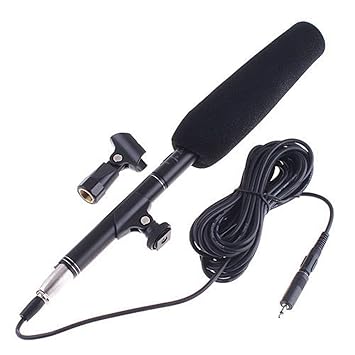
Left - Handheld digital recorder
Right - Long microphone
Tom explained that the easiest way to sync up audio to picture was the clap after 3 seconds and click both the record button on the camera and the microphone. This way, putting the audio and film together in the editing suite can be done with ease.
Tom also suggested adding in sound effects after the filming, this can be done using everyday items and a microphone and digital recorder. Below is a professional example of sound effects being created.
2. How does your media product represent certain social groups?
How does your media product represent certain social groups?
Wednesday, 19 April 2017
Codes and conventions of a short film
In order for me to make my film, it is important for me to fully understand what a short film consists of. As the length of the film is considerably less than a full length film, There are far fewer characters (usually around 2 or 3). This is because there is often not enough time for the introduction of more than a few characters with a background. A good short film will include an enigma for the audience to ponder over, this holds their attention until the enigma is solved. The length of the films are between 2 and 10 minutes and therefore require a far smaller budget than feature length films, short film directors and producers are also usually independent and lack the funding of large conglomerate production companies. The narrative of short films is often relatable, taking an everyday situation as a base. This is because it's not worth creating an expensive set and having a complex plot as the audience only have around 10 minutes to comprehend it all.
Monday, 27 March 2017
1. In what ways does your media product use, develop or challenge forms and conventions of real media products?
1. In what ways does your media product use, develop or challenge forms and conventions of real media products?
Tuesday, 28 February 2017
Lighting
Lighting can be the difference between a professional, interesting shot and a dull and rookie one. Different lighting can set specific moods, playing to the audiences sub conscious. For example, in a horror film, there is more likely to be a range of darker shades and low key lighting, in contrast a comedy is likely to use high key lighting with bright colours and a warm temperature. Below are a few examples of lighting techniques in film:
Bokeh - Blurring background light sources and focusing on a subject matter in the foreground.
Soft light - Soft pools of light on a part of an actors face.
Light tint - Different tints can be used over a light to give the scene a different look. Matrix uses a green tint in many shots to show futurism.
Contrast - The use of silhouetting and high contrast enhances the mood of a shot, making the actors either stand out or difficult to make out depending on what contrasts to what background.
Balancing colour temperatures - using lights of different colour in the same shot can reiterate the location, mood and atmosphere. This is put to best effect in Terminator 2 at the end scene in the steel mill. Orange and blue are used in the same shot to show molten metal and moonlight.
High key - Using brighter lighting so that the characters are easily visible, mostly used in comedies.
Low key - Using darker lighting and colours to set a mysterious and uncertain atmosphere in the shot. Mostly used in horror films.
Hot edges - This technique requires using a soft light on the front of the character (Fill light) and a stronger light on the rear (Backlight) to give the character a hot edge around their body.
Top lighting - When a light source from above shines down on the subject matter, illuminating it from above.
Subscribe to:
Posts (Atom)